The Ridiculous, Secret Joy of Building Something You Love

I have a long history of making things that no one else really cares about. When I was in my late twenties I self-published a memoir. I got a fiery piece of hate mail from my grandmother over that one.
From time to time, I get… itches. Those annoying sensations that you’ve just gotta do a thing. I have friends who get serious, life-changing, mega-itches and reorient their whole lives. My friend Matt was a successful software engineer and decided to become a scientist instead. Guess what he’s doing now. Another friend Peter decided to start a cigar company in the pandemic and ended up in Cuba, working with the man who rolled cigars for Castro.
These people inspire me.
When the shift happened—when AI became capable and accessible—I felt a strong sensation to make something I always wanted. And I knew what it would be:
A guitar effects pedals database.
That’s right. You read it right. See, I’m a musician, and have been for well over thirty years now. Don’t worry, you haven’t heard of me, and I haven’t really done anything. But that doesn’t matter.
Details matter to me, a lot. The way something feels, the way a thing works. Why two of the same something feel vastly different from another. It can be anything, too—not just software. Words, friendships, relationships, clothes, toys, books, stories, songs, and so on.
I wanted to make something that I wanted. A year ago, if I’d thought of this, I’d have abandoned the idea in about a week because I simply wouldn’t have been interested in spending the time required to learn the fistful of programming languages I’d need to take if from design to production. The juice wouldn’t have been worth the squeeze. I’d have had to end up looking for some Wordpress template, or something equally hacky.
I wanted something practically useful, for me to use. I didn’t want to do it as an exercise.
So PedalFilter was born. To my brain, the fact that the URL was available was bananas. “Pedalfilter.com is available?” I mused. Already, I’m laughing, because I can hear the bias in my own nerdy niche. But it was, and off I went.
I just wanted a place to search, filter, learn about, and find guitar pedals. That’s it. But it needed to be fast, flexible, and fun.
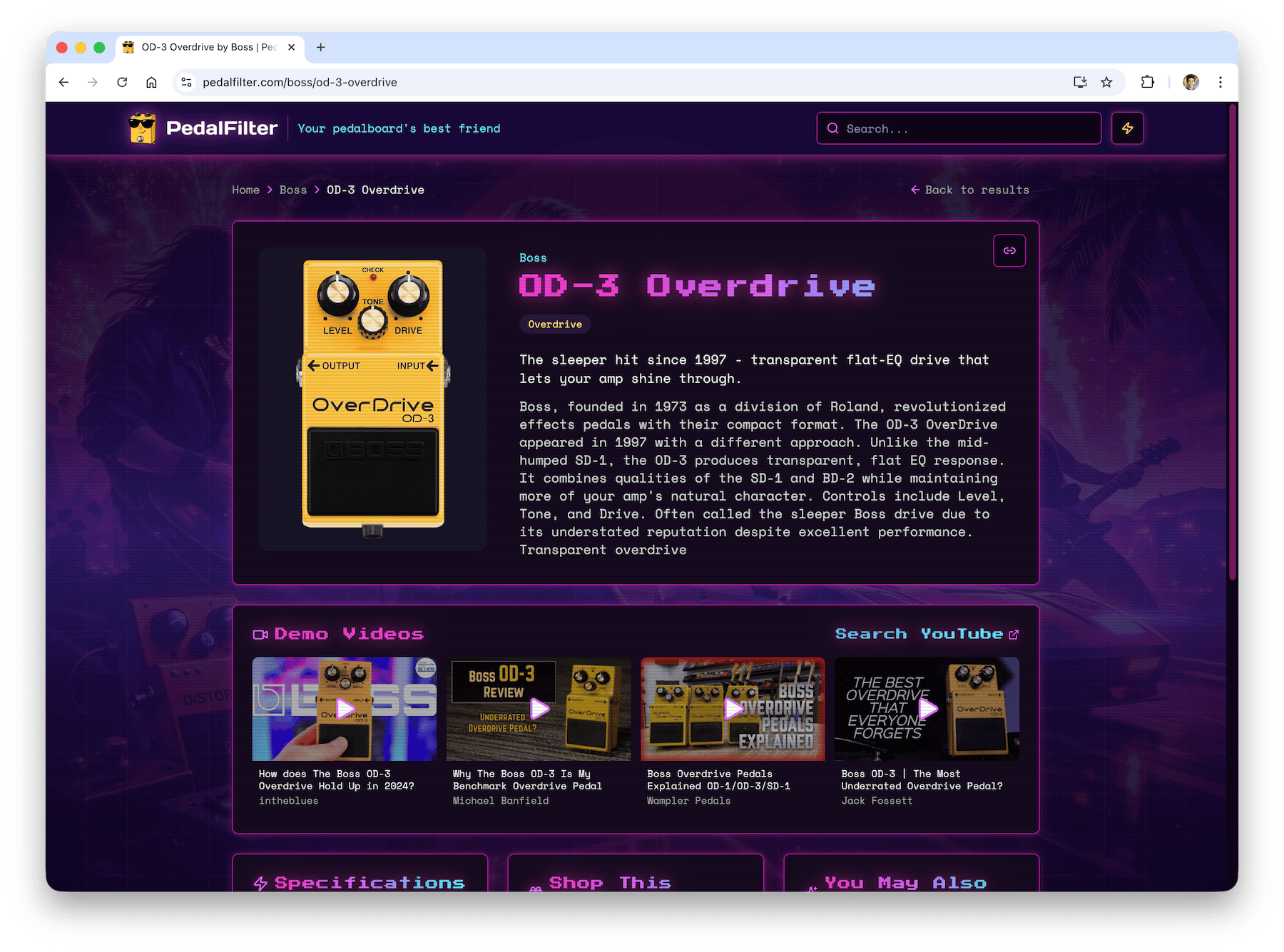
This project took up a lot of my free mental space, but in a compressed chunk of time. The thrill of being able to drastically reduce the timeline from concept to prototype is, frankly, dizzying for most of us who like making things and whose careers have been tied to the birth of the internet.
Suddenly we’re smack-dab in an intense period of adaptation.
One of the things that stands out to me most is that the phrase “nature abhors a vacuum” has never felt more real. The problem we have now is the tools fill vacuums much, much easier. As a result, the cognitive loads on you and me are much higher, and we mortals are struggling to keep up.
As with all technological revolutions, the question will be: can you keep your head, look for opportunities, and maintain a sense of self through the chaos?
I launched PedalFilter on January 28th, two weeks after I started building it. Honestly, it still makes me laugh in disbelief. Even typing it out feels… disingenuous, somehow? Like, I shouldn’t be able to say that, and I definitely shouldn’t admit it.
There’s a base human desire to gatekeep, to try and make it seem like this took much longer and was much harder. And what of the untracked metrics that play into it? My love of guitars and gear, and my thirty years of experience with them. My love of design, code, making things, and my career experience as a professional. These are massive personal factors in my life, and not easily or quickly duplicated.
But still, the build took just two weeks.
Why do we feel like we need to have suffered for the work to count for anything? This feels like an unspoken rule of tech. A lot of people talk endlessly about MVPs, moats, and secret sauce. About value proposition. Intellectual property and market timing. And yet, when we hear that “Yesterday” came to Paul McCartney in a dream, we marvel.
Anyway.
It didn’t take me much actual time to dream it up, execute, and launch. And frankly, I’m thrilled. If it fails, at least I did it faster.
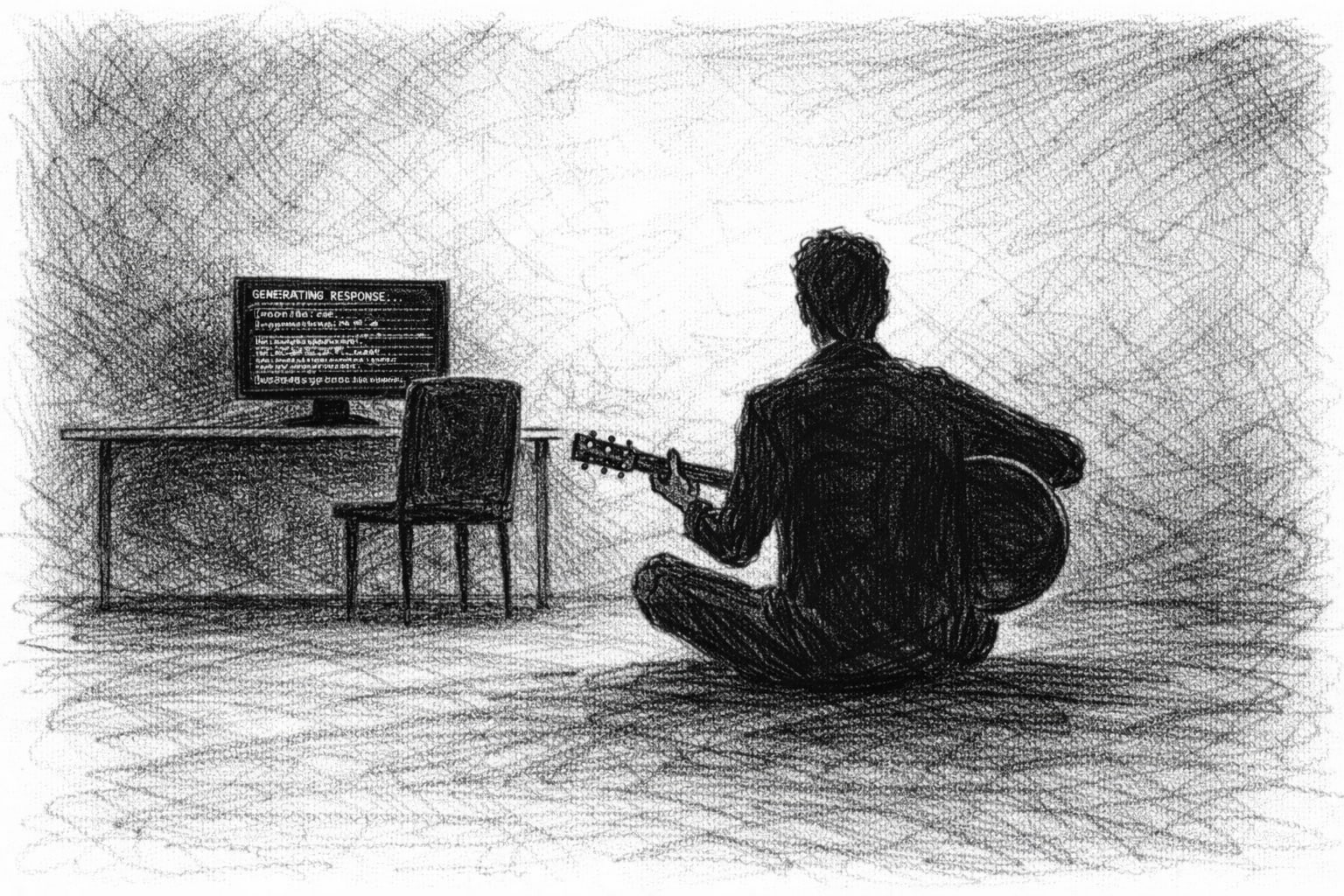
It’s hard to express in words how much fun I had. And how proud I am of the fact I was able to pull it off. The countless moments of “holy crap” while I told stories to Claude Code and it gave me what I asked for. The joy of admitting what I didn’t understand and had it teach me in layman’s terms. No ego, no fear, just… building.
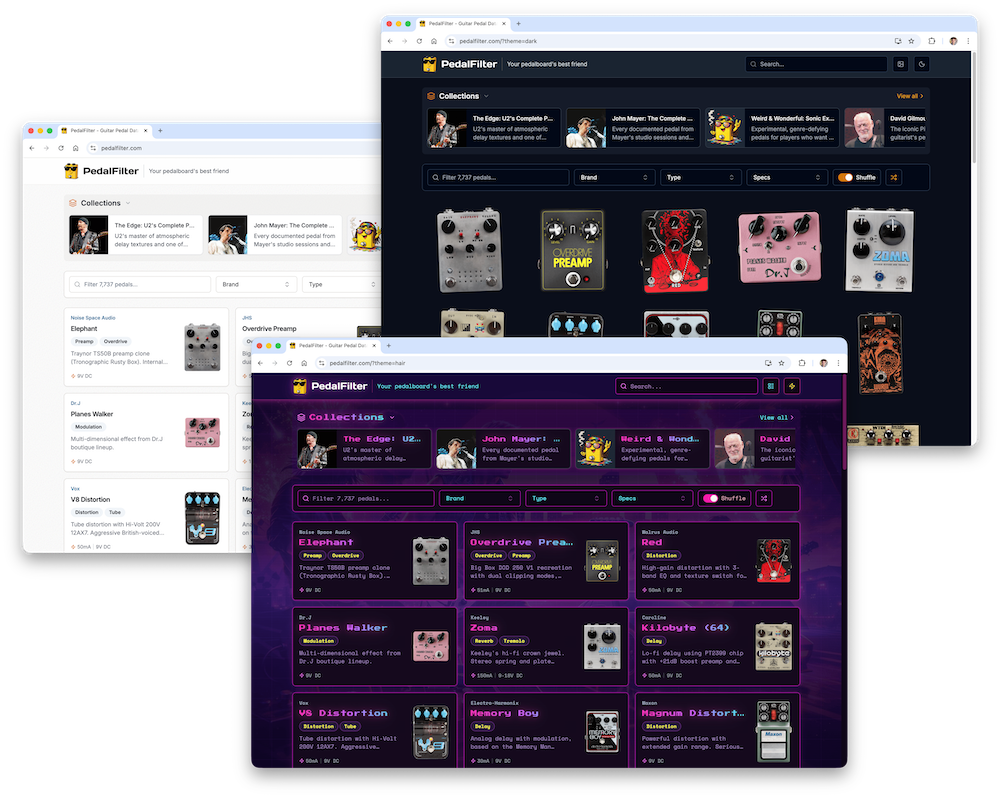
The amount of lightbulb moments I experienced, about end-to-end software development, are hard to overstate. I am the Senior Creative Director for a successful technology consulting firm in Dallas, Texas called Precocity. We are a multi-disciplinary team of senior level technologists with boatloads of experience and expertise. And I’ve been there over 12 years. But some of the things my colleagues do for a living I never really understood, until now.
Rarely are we given a chance to do something we’ve always wanted to do. The opportunity cost is usually too high or the risk outweighs the reward. It’s easy to talk yourself into believing your idea is an also-ran before you begin. Many people in my profession see these new tools as toxic, wasteful, or counter-creative, and I understand that. I respect their opinion. But for me, the scales tipped on an itch I’d been ignoring.
The existential threats are worthy of our attention. But I’d be lying if I said it wasn’t some of the most fun I’ve had in tech since I started. I felt like a kid, staying up late, making something because for the sheer, stupid joy of it.
I don’t know what that’s worth to the market, but to me, it’s worth a lot.
PedalFilter: The Metrics
Timeline
-
Started: January 14, 2026
-
Days since first commit: 39 days
-
Days with commits: 37 out of 39
-
1,481 total commits — an average of 40 commits/day
Pace
-
January: 1,054 commits (the build sprint)
-
February: 427 commits (refinement and polish)
-
Peak hours: Noon and 9–11 PM (lunch break + late night coding)
-
Peak day: Sunday (425 commits) — nearly double any weekday
Code Churn
-
38.9 million lines added, 38.2 million lines deleted
-
716,537 net lines in the final codebase
-
357 files in the repo today
The Rhythm
-
Sundays were the most productive day by far (425 commits)
-
Fridays were the quietest (114 commits) — classic weekend project energy
-
The first two weeks (Jan 14–28) account for ~70% of all commits — a true build sprint, then a long tail of polish and features
The Costs
-
Claude Max: $200/mo
-
Vercel Pro: $20/mo
-
Cloudflare: $5/mo
-
Domain: ~$10/yr
-
Everything else: $0 (Redis, R2, YouTube API, Sentry, GitHub — all free tiers)
-
Total: ~$7.50/day to build and run the entire thing